


Videos 短片:

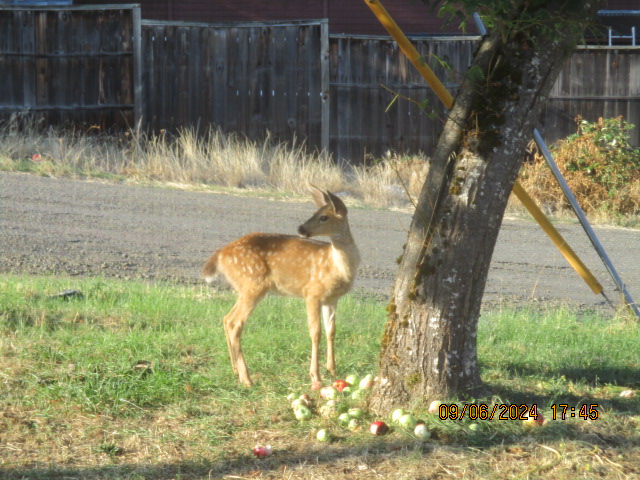
8/31 Plow soil 犁地


7/20 Wild Geese 野雁


蝙蝠掛樹梢和蜜蜂吸紅花傘房桉花蜜


5/22 鋤草和犁土 Till Soil


5/31 公雞菜圃啼叫 母雞散步


連下了幾天雨, 原本枯乾的河總算逐漸充盈, 山下的藍莓園整個夏秋都從此河抽水灌溉,


常常夏天還沒過完, 河就乾了, 露出大片岩石, 所以冬雨非常重要, 還需要更多雨水


肥土用的苜蓿草在幾個菜圃裡, 長得十分歡快


羊屋前的莓果枝條努力在寒冬中伸展


7/12 Setting Hen 母雞坐窩孵蛋


5/6 前後菜圃, 春雨綿綿, 還沒空整理


2/25 今年冬天太暖了, 不但一片雪沒下, 才二月, 就暖的像春天, 草都割過兩回了


山羊 Melony 沒事就到菜圃裡坐著, 伸腿, 抓癢, 打呵欠, 跟我說話


03/05 雨雪霏霏


不怕冷的雞兒愉快外出


山羊梅樂莉吃得好, 睡得好, 看大便就知道, 黑亮健康


前兩天才除了一遍草, 這星期冬雪春雨滋潤


4/1 雞吃春草

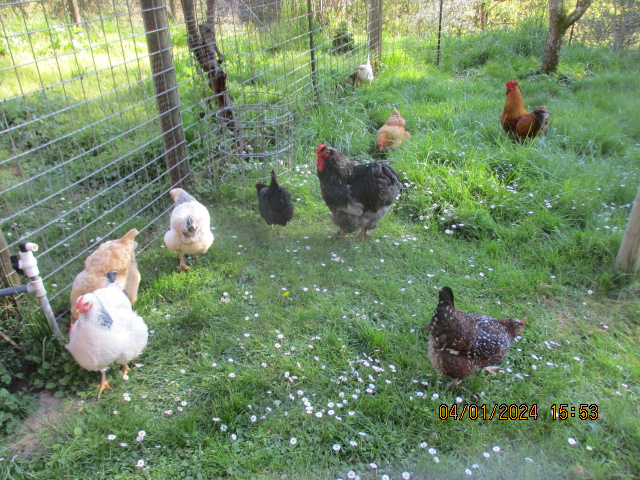
4/4 Quinoa Starts 藜麥幼苗


4/4 Quinoa Garden & Orchard 尚未春耕的藜麥園和果園


7/4 果樹


7/12 Apple Tree 蘋果樹

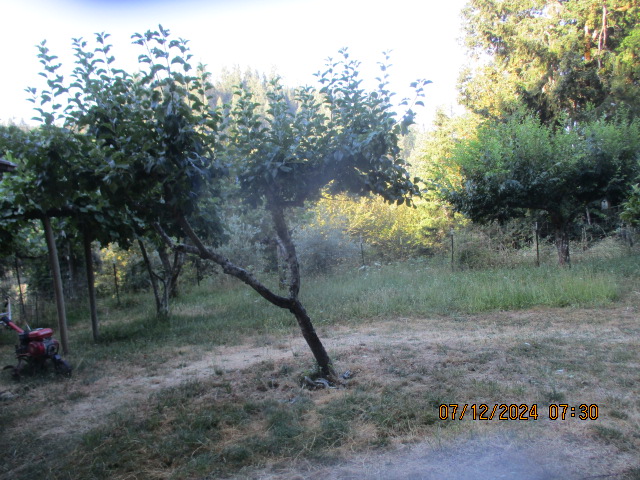
5/12 山羊幫忙吃雜草


7/4 Wild Peas 野豆藤


7/12 山羊梅樂莉 Goat Melony


8/20 苘麻 Abutilon Theophrastic Medik


自己冒出來的苘麻


5/12 分區鋤草


收集曝曬後的春草,


雞羊相伴工作


載到雞舍舖床, 大小臥室地上舖滿


所有雞窩都舖上乾淨芳香的乾草


5/6 Quinoa 藜麥園


5/28 Quinoa 暖房裡的藜麥幼苗, 和已種下的藜麥


一邊種藜麥 (R 右圖), 另一邊種馬鈴薯和青菜


7/4 馬鈴薯 Potato


5/28 犁妥地, 翻好土準備


5/28 犁地翻土都要趁陰天, 很辛苦


7/4 Quinoa Garden 藜麥
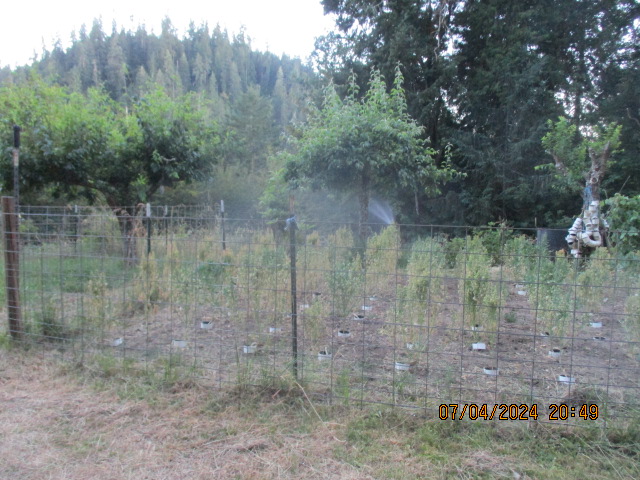

9/22 收成藜麥後, 新種蔬菜圃


4/4 Front Garden 尚未春耕的前菜圃


Thistle 長滿薊的前菜圃


6/14 長成一片野草似的馬齒莧 Purslane


7/7 馬齒莧地毯 Purslane


7/8 馬齒莧在太陽下開花, Purslane blossom under the sun


7/26 收成馬齒莧種子 Collect Purslane seeds


摘下頭部, 處理種子


7/26 輕輕拔起, 連根移種到城裡前後院,


僅需春雨和陽光, 蔓延成一片, 既護地, 又釋放養分肥土


8/31 Plow soil 犁地翻土, 馬齒莧入土, 來年又繁育一大片


9/9 移種蔬菜幼苗 Transplant vegi starts


每株幼苗旁插上標籤, 註明是何種蔬菜


9/22 梅樂莉想跟我進菜圃


Kale 羽衣甘藍幼苗


Lettuce 生菜幼苗


10/26 Vegi 蔬菜


10/26 蔬菜


11/11 Vegi garden 蔬菜


8/2 Mint Blossom 薄荷粉粉的小花


5/12 Pea Starts 豆子幼苗


5/30 Pea & tomatos 豆子和番茄


6/14 Pea 豆子


6/22 豆子 Peas


Pea Blossom 清純的豆子花朵


7/12 豆子 Peas


6/8 tomato 番茄


6/22 tomato 番茄


7/7 tomato 番茄


7/12 tomato 番茄


7/26 tomato 番茄


8/8 tomato 大番茄
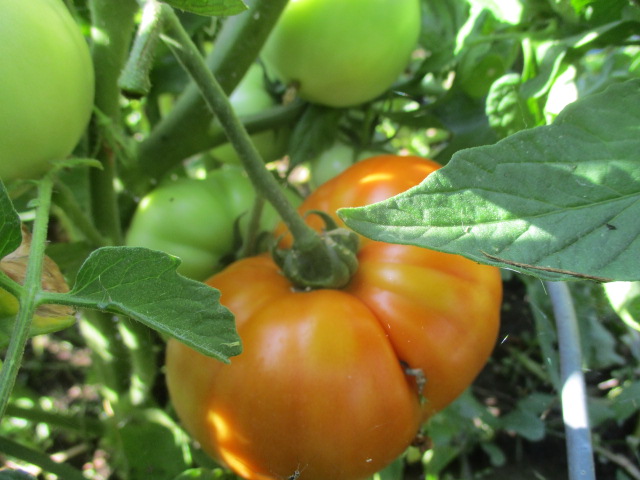

8/8 Cherry Tomato 聖女番茄


8/31 Cherry Tomato 聖女番茄


8/31 tomato 大番茄


6/8 Melon 哈密瓜


6/22 Melons 哈密瓜


7/7 Melon 哈密瓜


8/8 Melon 哈密瓜


Melon & Purslane 哈密瓜和馬齒莧


8/28 Melon 哈密瓜


8/26 南瓜 Pumpkin


8/31 Squash 綠南瓜


4/4 Garlic 大蒜


7/1 Garlic 大蒜


7/12 Garlic 大蒜懸掛晾乾


5/6 Scallions 青蔥 (長老開花了)


5/6 Scallions 老青蔥, 拔出洗洗吃蔥白, 其他部份給羊吃


7/4 Chinese Garlic 韭菜


9/5 韭菜和青蔥 Chinese Garlic & Green Onions


9/5 Vegi starts 蔬菜臥室育苗


5/28 Grape 葡萄


7/4 Grape 葡萄


7/19 Grape 葡萄


8/15 Purple Grape 紫葡萄


8/31 紫葡萄 Purple grape


8/31 綠葡萄 Green grape


5/28 Kale Purple Tree Collards 大葉片羽衣甘藍和大蒜, 葡萄樹


5/30 Yellow Berry 黃莓


6/5 Tayberries: crossing a blackberry, raspberry, and loganberry
大紅莓: 黑莓, 小紅莓和羅甘莓混種

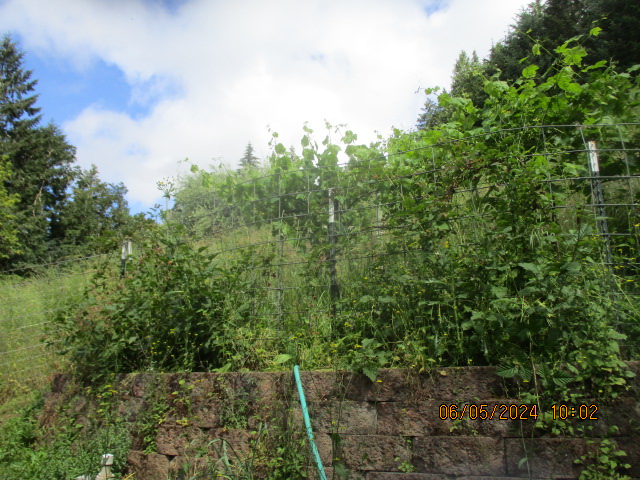
6/30 Tayberry 大紅莓


6/30 Yellow Plum 黃李樹


6/30 Yellow Plum 黃李樹


7/26 Yellow Plum 黃李


8/31 紫李樹 Purple Plum


5/30 Fig Tree 無花果樹


7/12 Fig Tree 無花果樹
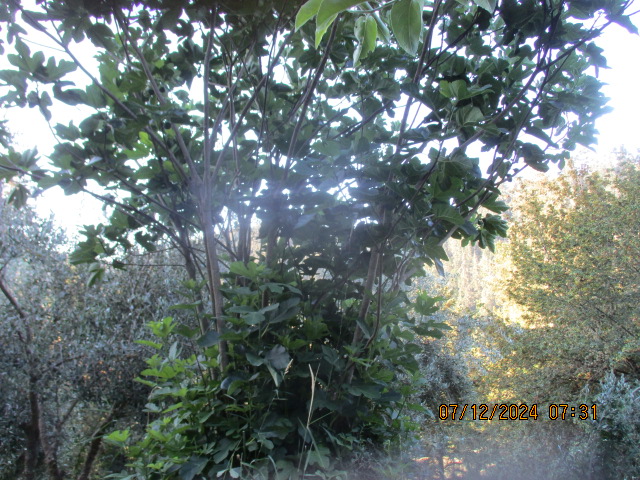

5/30 Olive tree 橄欖樹


5/30 Longan Tree 龍眼樹


7/12 Longan Tree 龍眼樹


7/12 水梨 Asian Pear


6/2 Purple bamboo 紫竹


Green Bamboo 綠竹


6/2 Bamboo Fence 竹籬


06/27 Bamboo 竹子


6/27 野黑莓 Blackberry


Blossom of Blackberry 野黑莓花


7/4 野豆藤和野黑莓 Wild Peas and Blackberry


7/12 野黑莓 Blackberry


8/22 黑莓 Blackberry


4/4 沃土 Soil & 白花椰菜 Cauliflower


7/4 煙花樹 (粉撲花) Surinam Calliandra tree


4/4 Apple Blossom 蘋果花


6/1 Peony 牡丹盛開


Peony 牡丹花苞和半開


Cockatoos 白鳳頭鸚鵡和 roseola parrot on sweet gum tree 玫瑰鸚鵡站橡膠樹上吃種子


玫瑰 Rose


牽牛花 Morning Glory


4/4 煙花辣椒 Firecracker hot peppers, 地披紫福祿考和白鼠尾草 pink phlox and white salvia


4/4 玫瑰, 萬壽菊 marigolds, 紫鼠尾草 purple salvia, 紅雞冠花 red celosia


5/24 為裝設 WiFi 電纜, 標誌地下管線走向


以免挖斷電纜或水管


6/3 Bobcat poop 山貓大便, 和牧場主人將獵殺的山貓皮, 攤曬在圍欄木樁上示警


6/28 車道中間的山貓大便 Bobcat poop on the middle of the driveway


7/22 偷吃了許多雞的山貓被逮到了


山貓的尾巴短, 又叫短尾山貓


挖坑埋了


7/20 Wild Geese 野鵝


